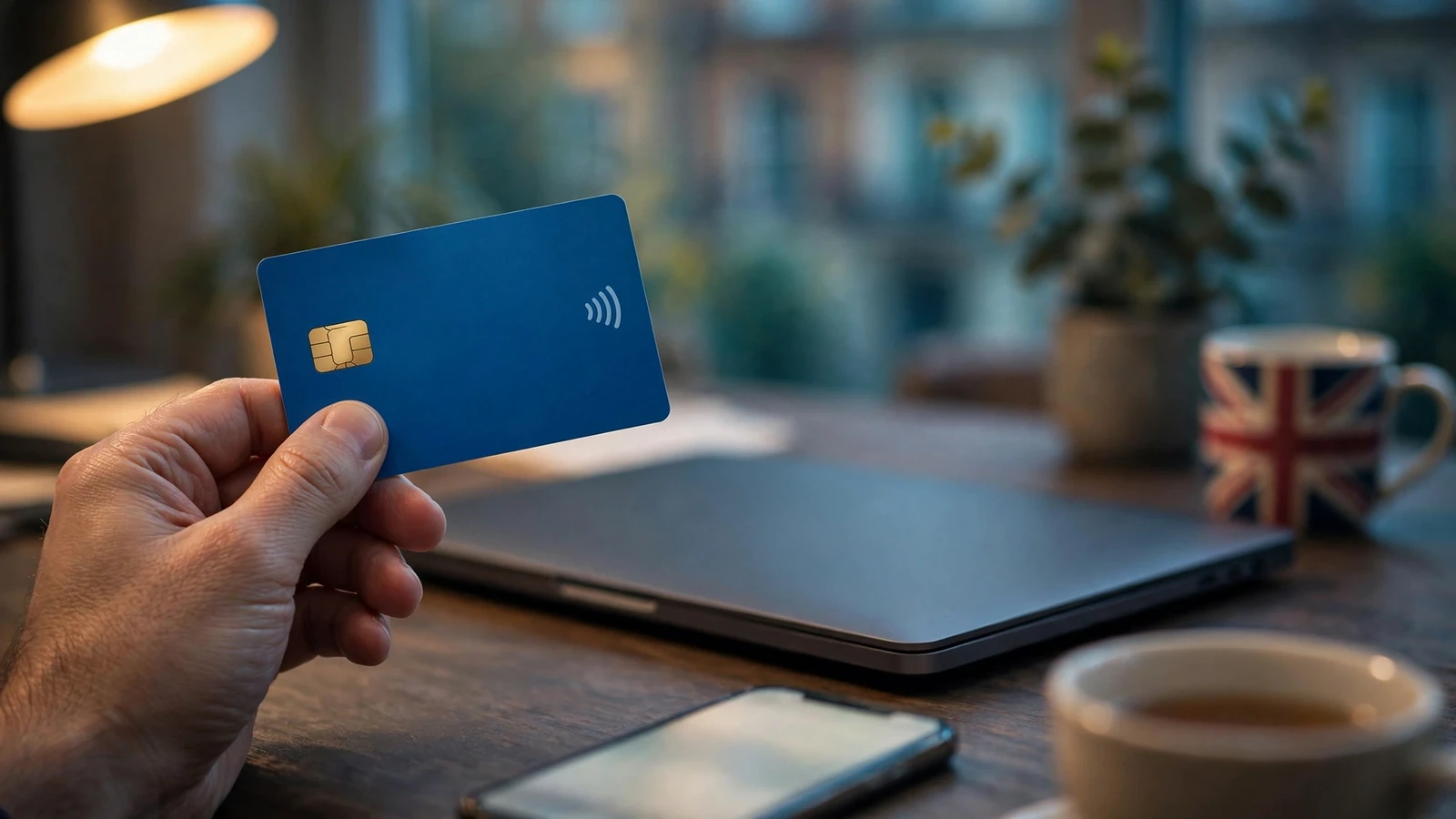
Mobile top-up casino UK: paying by phone explained
 Available in GB
A phone-bill or Pay as you Go deposit uses a mobile account as its funding source, unlike a card payment made on a handset.
Table of Contents
- Paying for Slots by Phone: What the Charge Actually Means
- Online Casino Deposits from a Mobile: Other Payment Routes
- Before the First Mobile Casino Deposit
- SMS Deposits: Confirmation, Phone Credit and the £30 Cap
- Mobile Casinos and Slots: Where Phone Payments Fit
- Depositing by Mobile Does Not Settle the Withdrawal
- Phone-Bill Deposits: Charges, Minimums and Promotion Exclusions
- Using a Mobile Deposit for Slots: The Cash-Out Catch
- What Makes a Mobile Top-Up Casino a Sensible Choice
- Phone-Bill Casinos: Check Network Fees Before Confirming
Paying for Slots by Phone: What the Charge Actually Means
A casino top-up by phone is not simply a card payment made on a mobile. The distinction is about where the money is taken from: with Payforit, a deposit is charged either to a monthly mobile bill or to a Pay as you Go balance. The phone account is the funding route. A debit or credit card linked to a handset remains a card payment.
That difference matters because payment labels can make unlike transactions look similar. A mobile screen may be used to make both kinds of payment, but the device does not decide the payment type. What matters is the source of the funds and how the transaction is processed. Payforit draws on the phone account; a card transaction draws on the card account.
I find that this is the point most easily blurred by the phrase “pay by phone”. It describes the route, not a general permission to use any payment method from a handset. Paying by phone bill and paying by card on a phone are not interchangeable.
Contract bill or prepaid credit
For a Payforit deposit on a monthly contract, the charge is added to a future phone bill. It does not come directly from a debit card just because the mobile account may be paid by card later. The casino deposit is recorded against the phone service, and the customer sees its cost as part of the bill.
With Pay as you Go, the deposit comes out of prepaid phone credit instead. That makes the funding source more visible: the available balance on the mobile account is reduced. In both cases, the casino deposit is associated with the phone account, but the timing differs. A contract customer pays through a later bill; a prepaid customer uses credit already held.
This is what “casino top-up by phone bill” means in practical terms. It does not mean that the casino has been given card details, nor that a phone bill itself is a bank account. The operator has arranged a charge through the phone-payment route. The account holder then settles that charge through the normal billing arrangement for the mobile service.
No Minimum Deposit Casino UK: What the Cashier Means
The wording on a cashier should therefore be read literally. Payforit indicates a phone-account charge. A card logo indicates a card route, even when the payment is completed on a mobile. The screen can look equally simple in either case. The underlying transaction is different.
A phone payment is not a credit-card workaround
The UK restriction on credit cards applies to remote gambling payments. A casino licensed to serve the British market cannot accept a credit-card payment for gambling, and routing the card payment through a money service business does not make it acceptable. Changing the screen, app or intermediary does not change the source of the funds.
That is why a phone-bill deposit should not be confused with a credit-card-funded deposit. Payforit charges a monthly phone account or uses prepaid phone credit; it is not a way to put a credit-card transaction through under a different name. Equally, using a phone to enter card details does not turn that card payment into Payforit.
The practical distinction is simple, but worth keeping clear when choosing a deposit route. The phone may be the device, the phone account may be the funding source, or the phone may merely display a card checkout. Only the second case is a phone-account deposit.
I have seen “mobile” used as if it settled the question. It does not. The cashier’s payment label and the account being charged tell the story; the size of the screen does not.
For someone considering mobile slots funded through a phone account, the relevant question is whether the cashier identifies Payforit and whether the charge is to a contract bill or prepaid credit. It should not be assumed that every casino accepting deposits from a mobile accepts a phone-bill deposit. A mobile site can offer card payments without offering Payforit, and a phone-bill option remains distinct from card acceptance.
Payforit deposits are charged either to a monthly mobile bill or to a Pay as you Go balance, whereas card transactions draw from a card account regardless of the device used.
The same distinction applies to searches for an online casino top-up by phone bill: the phrase points to a particular billing route, not every deposit made while using a handset. “Top up by phone” can otherwise cover too much. A card transaction and a Payforit charge may both be initiated on a phone, yet they have different funding sources and are subject to different conditions.
That separation is more than terminology. It helps explain why a payment may appear on a mobile statement rather than a card statement, and why the credit-card restriction cannot be avoided by describing the transaction as mobile. A phone account is not a card, and a card is not a phone account. The label should match the charge.
Online Casino Deposits from a Mobile: Other Payment Routes
A mobile phone is only the screen and connection used to reach the cashier. It does not dictate how a deposit is funded. A casino opened in a mobile browser may show a debit card, an e-wallet or another option alongside pay-by-mobile; the same account may show a different selection when checked at another time. The cashier is the practical answer, not a payment list copied from a general guide.
That distinction matters when comparing an online casino mobile top-up with other ways to add funds. Payforit and Boku charge through a phone account, while a debit card is funded from a bank account and an e-wallet uses its own account balance or linked funding arrangements. Paysafecard is another alternative mentioned in specialist reviews. These are different payment routes, not interchangeable names for a single phone payment.
Casinos That Accept Upaycard in the UK: What to Check
Debit cards and e-wallets
A debit card is often the most straightforward alternative to pay-by-mobile: the deposit is made with the card details rather than being added to a phone bill or deducted from prepaid credit. A specialist review reports that debit-card deposits at UK casinos are free and accepted more widely than Payforit. That is a review’s account, not a promise that every operator accepts every card. The cashier must confirm both availability and any fee before the transaction is submitted.
Visa and Mastercard appear on payment lists, but their logos alone do not establish what a particular account can use. The method may be absent from the cashier, or the operator may require an eligible card and matching account details. A mobile screen does not change those conditions; it simply makes the cashier accessible away from a desktop.
E-wallets such as Skrill and Neteller are also listed by independent current reviews among casino payment options. They can be useful where an operator supports them and the account holder already uses the relevant wallet. PayPal is another method that may appear in a cashier. None should be assumed available just because a review names it: payment arrangements change, and an operator’s live deposit screen is the relevant check.
I have seen general payment tables treated as if they were menus. They are not. A table describes what a reviewer found, often across multiple operators; the cashier shows what the selected casino offers to that account at that point. The distinction is small on a page and decisive at checkout.
Debit Cards
Funds are taken directly from a bank account. These deposits are often free and more widely accepted than Payforit.
E-wallets
Includes options like Skrill, Neteller, and PayPal. They use an internal balance or linked funding arrangements.
Paysafecard
A prepaid alternative to Payforit for those who prefer not to enter card details in the casino cashier.
Prepaid options and other listed methods
Paysafecard is named in specialist material as an alternative to Payforit. It may suit someone who prefers not to enter card details in a casino cashier, but that preference does not establish that a particular casino accepts it. The method must be present in the deposit options, and the displayed terms govern the transaction.
Some independent current reviews also list cryptocurrencies among accepted methods. That information should be treated as an operator-specific lead, not as a market-wide feature. A list may combine different casinos, jurisdictions or account conditions. The cashier is where availability becomes concrete.
For someone looking to top up an online casino on a mobile, the useful comparison is therefore not simply “phone or card”. It is whether the selected operator currently offers a suitable route, what it displays about charges, and whether the payment can be made from the account being used. A phone payment can be convenient for a small deposit, while a debit card, e-wallet or prepaid option may fit better where supported. The choice depends on the actual cashier.
Why the cashier takes precedence
Payment pages can remain online after an operator changes its options. Reviews can also describe a method that is available only to some customers or under particular account conditions. Even a familiar logo does not settle the matter. I would treat a general list as a shortlist for checking, not evidence that a mobile phone top-up casino will accept every listed method.
Casinos That Accept USDC in the UK: What to Check
Before selecting a route, the deposit screen should be checked for the method’s name, any stated fee and the amount the casino will receive. If the option is not displayed, it should not be treated as available through a workaround or through a different payment label. That keeps the comparison grounded in what the operator is actually offering rather than what a generic list suggests.
This applies equally to online slots funded from a mobile. The device does not make a payment route more widely accepted, and opening the same casino on a laptop does not guarantee the cashier will show identical options. Operators control the methods presented for their service; the live cashier reflects that decision.
The practical rule is plain: compare the routes shown by the chosen casino, not every method mentioned elsewhere. A debit card, e-wallet or Paysafecard may be an alternative to Payforit, but only the current cashier confirms whether it is an option for that account. No assumption required.
Before the First Mobile Casino Deposit
A mobile top-up can look like a single tap, but the deposit sits at the end of an account process. The casino has to establish that the account is ready to accept funds, while the player needs to know what the cashier will charge and which controls are already in place. I have seen people treat a payment screen as the whole decision. It is only the last part.
Age Verification
Operators must verify a customer’s age before allowing any deposit into a gambling account.
For a remote customer making a first deposit, the operator must bring up a prompt to consider setting a financial limit before the deposit proceeds. That prompt is not just another box to dismiss. It is the point at which the account can be given a boundary before real money enters it. Limit tools must also remain available at account level afterwards, so the decision is not confined to the opening session.
The useful distinction is between a prompt and a control. The prompt asks for consideration; the account facility is where a limit can be set and managed. A first-time customer may be focused on completing registration or getting to the games, but the order matters: the financial-limit step belongs before the first deposit, not as an afterthought. I would not treat the presence of a responsible-gambling message as proof that a limit has been set. Those are different things.
Account readiness also includes age verification. Operators must verify a customer’s age before allowing a deposit into a gambling account. A mobile interface may compress several stages into a small screen, but that does not remove the requirement. If the account is not cleared to deposit, the payment choice is beside the point.
There is a separate check at the cashier. A specialist review identifies the cashier as the place to confirm the current minimum deposit, maximum transaction value, fees and account financial-limit controls before paying in. These details are not safely inferred from a general description of a mobile casino: they are tied to the operator, the account and the method selected. The cashier is the working set of terms, not a decorative list of logos.
I learned to read each line as a condition rather than a sales label. “Simple” says little about the amount accepted. A payment option can appear on screen while having a minimum that does not suit the planned deposit, a transaction ceiling, or a fee that changes the effective cost. The point is not to assume that every option has an extra charge; it is to establish the stated charge, if any, before confirmation. No surprises is a better standard than a quick tap.
Pre-Deposit Checks
- Confirm the account is eligible to deposit and age-verified
- Check the cashier for current minimum and maximum transaction values
- Review any displayed fees before authorising payment
- Respond to the first-deposit financial-limit prompt deliberately
The same applies to account financial limits. A limit already attached to an account may affect whether a proposed deposit can go through. The cashier’s controls matter because they show the conditions that apply to that account at that moment. A general page describing mobile casino deposits cannot settle that question on its own. Nor should a player assume that a limit setting is absent simply because it is not prominent on the deposit screen: the account-level facility is meant to remain accessible after the first deposit as well.
A sensible pre-deposit check is therefore short, but not superficial:
- Confirm the account is eligible to deposit, including completion of the operator’s age-verification requirement.
- Read the cashier’s current minimum and maximum transaction value for the selected option.
- Check any displayed fee before authorising the payment.
- Review the account’s financial-limit controls and respond to the first-deposit prompt deliberately.
These are not interchangeable checks. A deposit amount may fit the payment method but still conflict with an account limit. A payment may be accepted while its fee makes it a poor fit. And a limit prompt may appear without a limit being applied. In practice, the distinction is where avoidable confusion begins.
The decision happens across the account screen and the live cashier, and the terms can change. I treat whatever is displayed at the point of payment as the relevant version, rather than relying on a remembered figure or an old review. That is the less exciting answer. It is also the useful one.
A well-run deposit process makes the checks visible before money is committed: eligibility, the required financial-limit consideration, and the current transaction terms. If one of those is unclear, the deposit is not yet an informed choice. The amount can wait.
SMS Deposits: Confirmation, Phone Credit and the £30 Cap
An SMS deposit is not completed just because a mobile number has been entered. The text message is part of the payment authorisation: until the confirmation step is completed, the funds have not moved. That distinction matters when a cashier screen appears to have accepted the first part of a request but is still waiting for a reply.
With Payforit, the process runs in a defined sequence. The player selects Payforit in the casino cashier, enters a mobile number, receives a text containing a confirmation code, then submits that code to approve the deposit. The code links the request to the phone number and makes confirmation an explicit step rather than an automatic consequence of opening the payment screen.
UK Casinos That Accept EcoPayz: Payment Guide
Boku also requires confirmation by text before a deposit proceeds. The exact screens may differ, but the practical point is the same: the request remains pending until the SMS action is completed. I treat that message as a payment prompt, not as routine account correspondence. It is worth checking that the amount and the payment request match before confirming. A text confirmation authorises the transaction; it does not establish which games or operators accept phone payments.
The transaction ceiling
For Payforit, the Phone-paid Services Authority’s published rules set a ceiling of £30 per transaction. That is a cap on an individual payment, not an amount that can be bypassed by splitting one intended deposit into multiple requests. The limit is part of the phone-paid route, so it should be treated as a boundary rather than a target.
A specialist payment-method review describes Boku’s standard maximum as £30 per transaction as well. The two methods therefore share a stated ceiling, but that does not make their payment flows interchangeable. Boku still requires its own SMS confirmation, and the cashier must offer the method before it can be used.
A transaction cap is easy to misread as a promise that every deposit below it will go through. It is not. The phone account must be able to support the payment, the casino must present the method, and the confirmation must be completed. The cap only describes the upper boundary of a single transaction.
Transaction Cap
Payforit and Boku generally have a ceiling of £30 per transaction, which cannot be bypassed by splitting one intended deposit into multiple requests.
Phone credit and confirmation
With Boku, the available phone credit must cover both the requested deposit and any network fee attached to the transaction. If the balance falls short of that combined amount, the payment can fail even when it appears to cover the deposit alone. On a contract account, the relevant account conditions still apply; a displayed deposit amount is not a guarantee that the network will approve it.
Payforit uses an SMS code as its confirmation step. Entering the number starts the process, but submitting the received code completes the authorisation. If the number is entered incorrectly or the code is not submitted, the deposit does not follow the ordinary confirmed flow. The same principle applies to Boku: the text is where the player confirms the transaction before funds move.
I have seen the distinction lost in cashier descriptions that compress several steps into a single “deposit” button. The payment has stages. Selection starts the request; SMS confirmation authorises it. Keep those separate.
The code should be treated as confidential payment information. It is not a bonus code, nor a general sign-in detail. Confirmation should only follow a deliberate payment request with the amount understood. That gives the player a chance to stop before authorising a charge that was not intended.
There is no need to infer wider acceptance from a working SMS flow. A successful confirmation describes how one transaction is approved, not whether phone deposits are available at every casino or for every account. The cashier’s displayed options govern that point. The mechanics remain simple: choose the method where offered, check the request, confirm by text, and stay within the per-transaction ceiling.
Ukash Casinos in the UK: What Acceptance Means
Mobile Casinos and Slots: Where Phone Payments Fit
A phone can be the screen for a casino and the route for a deposit, but those are separate functions. Payforit is generally intended for mobile players: it appears as a cashier option when an eligible account is being used on a mobile device. That makes it relevant to mobile casino play, not a general payment choice that can be assumed to work from every device or at every operator.
I treat “mobile top-up” as a description of where the charge is made, not as a promise that a casino has a dedicated app or that every slot accepts a phone-funded deposit. The cashier controls access. A site may open on a phone while Payforit is absent from its listed deposit methods; conversely, a payment option shown on the operator’s website may depend on the device or account being used. The live cashier is the useful check, not the label in a search result or an old payment-method page.
Specialist reviews have reported Payforit in the cashiers of UKGC-licensed operators such as Kwiff, NetBet, JackpotJoy and Virgin Games. That is a lead, not a permanent guarantee. Payment support can change, and a review cannot confirm what appears for a particular account at the moment of deposit. I would check the named operator’s current cashier on a mobile device before relying on it. If Payforit is not displayed there, a page describing it elsewhere does not make the option available.
Verify Payforit
Check Licensing
Confirm that the chosen casino is UKGC-licensed.
Access Cashier
Open the casino’s cashier specifically on a mobile device.
Confirm Method
Check if Payforit is actually listed as a deposit option for your account.
This distinction matters for slots as well as casino access. A mobile slot session does not itself determine how the account can be funded; the operator’s payment setup does. Nor does the presence of Payforit mean that every game has a separate phone-payment facility. The payment is handled at account level, while the games are accessed through the casino. Keep those layers separate. It avoids confusing a mobile-friendly casino with a casino that supports pay-by-mobile.
There is a practical trade-off. Payforit can suit someone who wants to use a mobile network account rather than enter card details, but its mobile-only orientation narrows when and where it can be selected. Boku, e-wallets and Paysafecard are other methods a casino may offer, but their presence must also be confirmed in that operator’s cashier; no general list establishes availability for an individual account. A payment method is an operator setting, not a feature of the slot itself.
The sensible test is therefore modest: confirm that the casino is UKGC-licensed, open its cashier on the device intended for play, and check whether Payforit is actually listed. If it is not, the mobile site may still be usable through another method shown there. No ranking can replace that check. Current availability is decisive.
Our top casino picks for the UK
- DieselwinBonus: Welcome Pack 250% up to £4000 + 200 FS · Payout speed: 1-3 business days
- SpinFormulaBonus: 550% Up To £15,000 + 550 FS · Payout speed: 1-3 business days
- ChanzeBonus: Slots Welcome Bonus #1 200% up to €500 · Payout speed: 1-3 business days
- WinBeastBonus: €5000 + 500 FS + €650 Freebet · Payout speed: 1-3 business days
- EvoSpinBonus: 125% up to €2500 + 125 Free Spins · Payout speed: 1-3 business days
- x3betBonus: Welcome Pack 100% Up to £1.000 + 200 Free Spins · Payout speed: 1-3 business days
Depositing by Mobile Does Not Settle the Withdrawal
A deposit and a payout are separate decisions in the cashier. A mobile top-up can put money into a casino account without creating a route for money to leave it. I have seen people treat the payment method shown at deposit as a promise about withdrawals. It is not. The cashier’s payout options, and the terms attached to the account, govern what can be requested.
TRON TRX Casino Comparison for the UK
Before depositing, check the withdrawal methods currently available to that account, any identity checks still outstanding, and the operator’s current terms. A method appearing in a deposit menu does not establish that it can be used for a payout. Specialist reviews also advise checking whether the selected deposit route is supported for withdrawals; the account’s own cashier is the practical place to confirm that.
Available routes can differ between operators and accounts. A UK-licensed casino may offer a payout to a debit card, bank transfer, PayPal, or an e-wallet such as Skrill or Neteller, but that does not make every route available to every customer. The account holder’s details and currency must also fit the selected route. A mismatch can interrupt processing, even when the payment method itself is listed.
Identity checks are another part of the transaction, not an afterthought. If the operator still needs information to verify the account, a withdrawal may not proceed until those checks are resolved. The relevant status and instructions should be visible through the account or operator terms. A deposit confirmation says nothing about whether the account is ready for a payout.
Limits matter too. The cashier sets the conditions for the chosen method, and those conditions can change. A request below the stated minimum withdrawal amount may be refused rather than sent. At the other end, an amount above a method’s maximum may be handled in separate payments, if the operator’s terms allow that. Public banking information cannot settle the figures for a particular account; the live cashier is the reference point.
A deposit method does not guarantee a withdrawal route; check the cashier for available payout options and outstanding identity checks before depositing.
That is the distinction worth keeping: depositing by phone may fund play, but it does not settle how, when, or in what form a balance can be withdrawn. Check the route before treating the balance as cash.
Phone-Bill Deposits: Charges, Minimums and Promotion Exclusions
Payforit moves the deposit onto the phone account rather than taking it from a bank card. On a monthly contract, the amount is added to a future phone bill; on Pay as you Go, it is deducted from prepaid credit. The source of the money differs, but in both cases the charge is tied to the mobile account.
That distinction matters when judging the cost. A contract customer may not see the charge leave a bank account at the time of deposit, but it still becomes part of the bill to be paid. With prepaid credit, the balance falls immediately. I have seen the first arrangement mistaken for a free or deferred casino payment. It is neither. The casino receives a deposit; the phone account carries the charge.
A specialist review gives a Payforit deposit range of £3–5 at the lower end, with a £30 maximum. Those figures are a reference point, not a promise that every cashier will offer the same choices. The live cashier sets the available amounts, and the phone account must support the selected charge. Small deposits can suit a player who wants to keep a session spend contained, but they do not change the fact that the money is being spent.
Promotions are another condition to read closely. Specialist reviews describe Payforit deposits as commonly excluded from welcome bonuses and other offers at UK casinos. The exact wording belongs to the operator’s current promotion terms: a deposit may be accepted while still failing to qualify for a bonus. “Welcome offer” does not necessarily mean every payment route counts.
I have seen that distinction cause confusion: the deposit appears in the balance, but the promotional credit does not follow. Check the payment-method exclusions before treating an offer as part of the value of a deposit. If Payforit is named among excluded methods, the charge can fund play without triggering that promotion. No bonus attached.
Using a Mobile Deposit for Slots: The Cash-Out Catch
A deposit route and a payout route are separate parts of the account. That distinction matters with Payforit: it can put money into a casino balance, but it cannot send casino funds back to a phone bill or prepaid balance. A successful mobile top-up for slots therefore says nothing about how winnings can be withdrawn.
Some specialist reviews report that non-UK casinos require a withdrawal to go through the same method used for the deposit. That condition cannot be assumed to apply everywhere, and it is not a reason to expect Payforit to work in reverse. Where a casino has a same-method rule, its cashier terms need to explain how a Payforit deposit is handled when the method cannot make payouts.
One-Way Funding
Payforit is a one-way system for casino funds; it can put money into a balance, but it cannot send funds back to a phone bill or prepaid balance.
In practice, a separate, verified payment source may be needed for cashing out. The available route is account-specific: the operator may offer a bank account, debit card or e-wallet, but the option shown in the live cashier is what matters. The account holder’s details and currency also need to match the payout route, and outstanding identity checks can hold up a request.
I have seen the deposit button treated as the whole payment story. It is only the entry point. Before a phone-funded deposit, the sensible check is whether the account has an eligible withdrawal method and whether it can be verified. Otherwise, the balance may be playable but not ready to leave the casino.
That is the cash-out catch: a mobile deposit does not create a mobile payout route. Payforit is one-way for casino funds. A separate verified source may be required.
What Makes a Mobile Top-Up Casino a Sensible Choice
I would not call a mobile top-up casino the “best” on the strength of a familiar name or a payment logo. The useful comparison is the live cashier: the deposit and withdrawal terms shown for the account and the method selected. Minimums, maximums, fees and processing statements can differ by method and change over time.
A specialist review can help identify what to inspect, but it cannot replace the operator’s current terms. Public banking information does not establish stable UK-specific withdrawal limits, fees or processing times. The cashier is the practical reference point, not a promise that a figure found elsewhere still applies.
I have seen a payment option look straightforward until the cashier’s conditions were read alongside the payout information. A deposit limit may suit a small top-up, while a fee or a different withdrawal threshold changes the picture. Processing statements also need to be read as the operator’s stated process, not as a guaranteed arrival time.
That is why a static recommendation ages badly. A comparison should record the method, the deposit limits, any stated charges and the current withdrawal terms together. If one of those details is missing or unclear, the casino cannot be judged on that point from an old review alone. Check the live cashier again before making a decision.
The sensible choice is not necessarily the one with the most payment badges. It is the one whose current terms are clear and workable for the account. Small print matters.
Phone-Bill Casinos: Check Network Fees Before Confirming
Boku is not a standing option across every UK casino. I treat it as available only when it appears in the operator’s live cashier: a payment method mentioned in general information is not proof that it can be used on a particular account. That distinction matters because the cashier controls which routes are enabled and what the transaction will cost.
A specialist payment review describes Boku’s standard transaction cap as £30. That is a ceiling, not a promise that every deposit up to that amount will be accepted. The casino’s cashier may show a lower permitted value, so the displayed terms take precedence.
The phone network can also add a processing fee. Its amount may depend on both the network and the tariff, rather than being set by the casino alone. In practical terms, phone credit has to cover the deposit and any applicable network fee; otherwise the transaction may fail. The payment screen should make the charge clear before confirmation. If the fee is not shown or its basis is unclear, there is no sound reason to assume the deposit will cost only the amount entered.
I have seen “pay by phone” presented as a simple billing choice. The detail sits in the checkout: cashier support, transaction ceiling and any network charge. Boku’s availability and cost should therefore be checked in the live cashier before the payment is confirmed, not inferred from an old review or a generic payment-method page.
A failed attempt is avoidable. Check the terms first.
Are there fees for using Boku at online casinos?
A mobile network may charge a processing fee, and the amount can vary by network and tariff. Check the charge before confirming the transaction.
Do UK casinos offer welcome bonuses for Payforit deposits?
Most UK casinos exclude Payforit deposits from welcome bonuses and other promotions.
What is the current minimum deposit?
Payforit deposits typically start at £3–5. Check the casino’s live cashier for the minimum that applies to your account.
How does Payforit work at a casino deposit?
Select Payforit in the cashier, enter your mobile number, then submit the confirmation code sent by SMS. The deposit is charged to your monthly phone bill or deducted from your Pay as you Go balance.
Written by the editors at Grovers Casino.